

Grief Therapy
Living with Loss
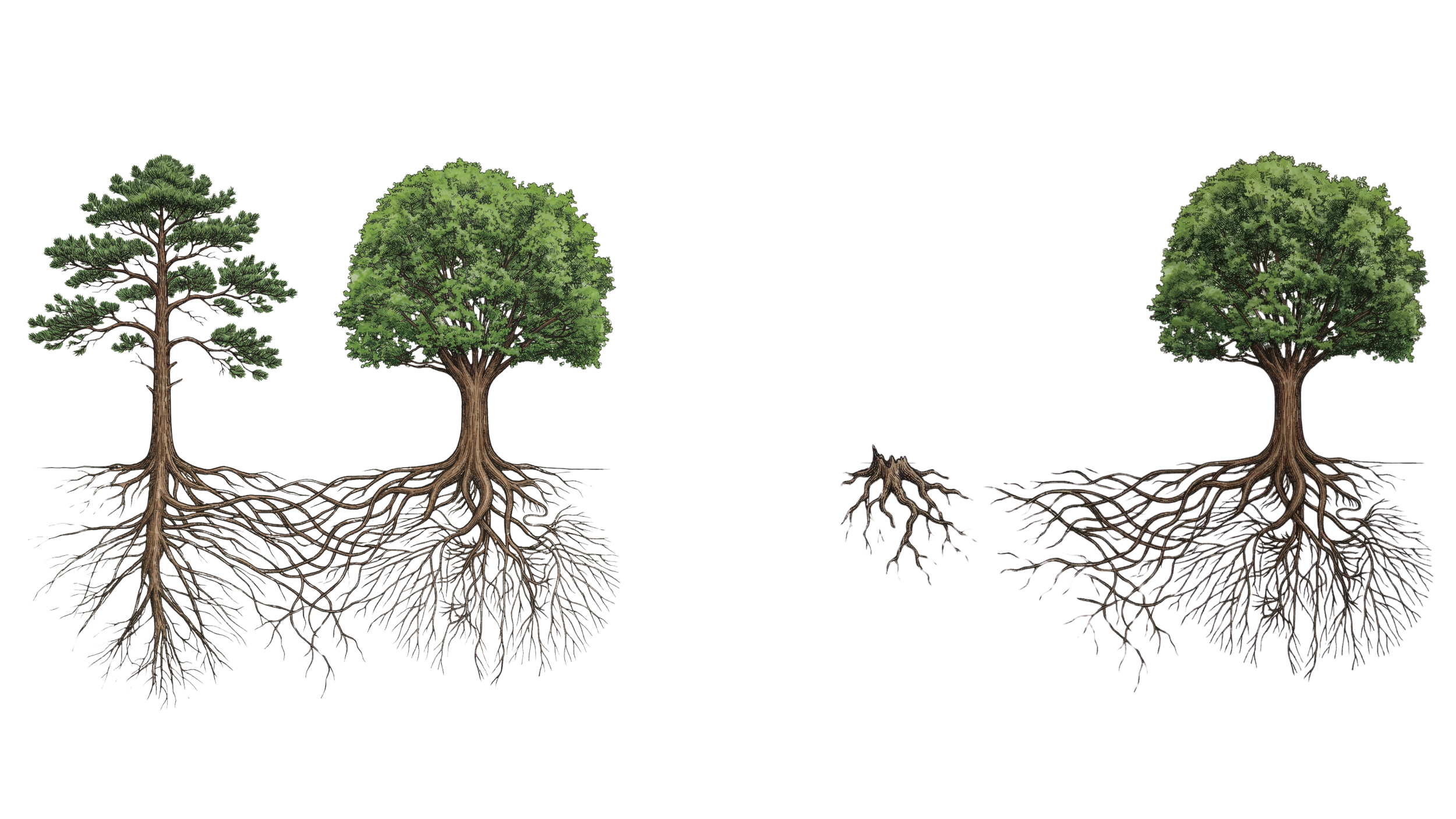
Something as ordinary as a smell, a phrase, or a meal can become so painful. Something we’ve done a million times can feel so foreign.
Initially, it sometimes feel like they’re missing. This is partly why we use the word loss. You know they are not here anymore, but a part of you hasn’t quite caught up to this reality. The thing that sets grief apart from other problems in life is that it cannot be fixed or cured.
Understanding Grief
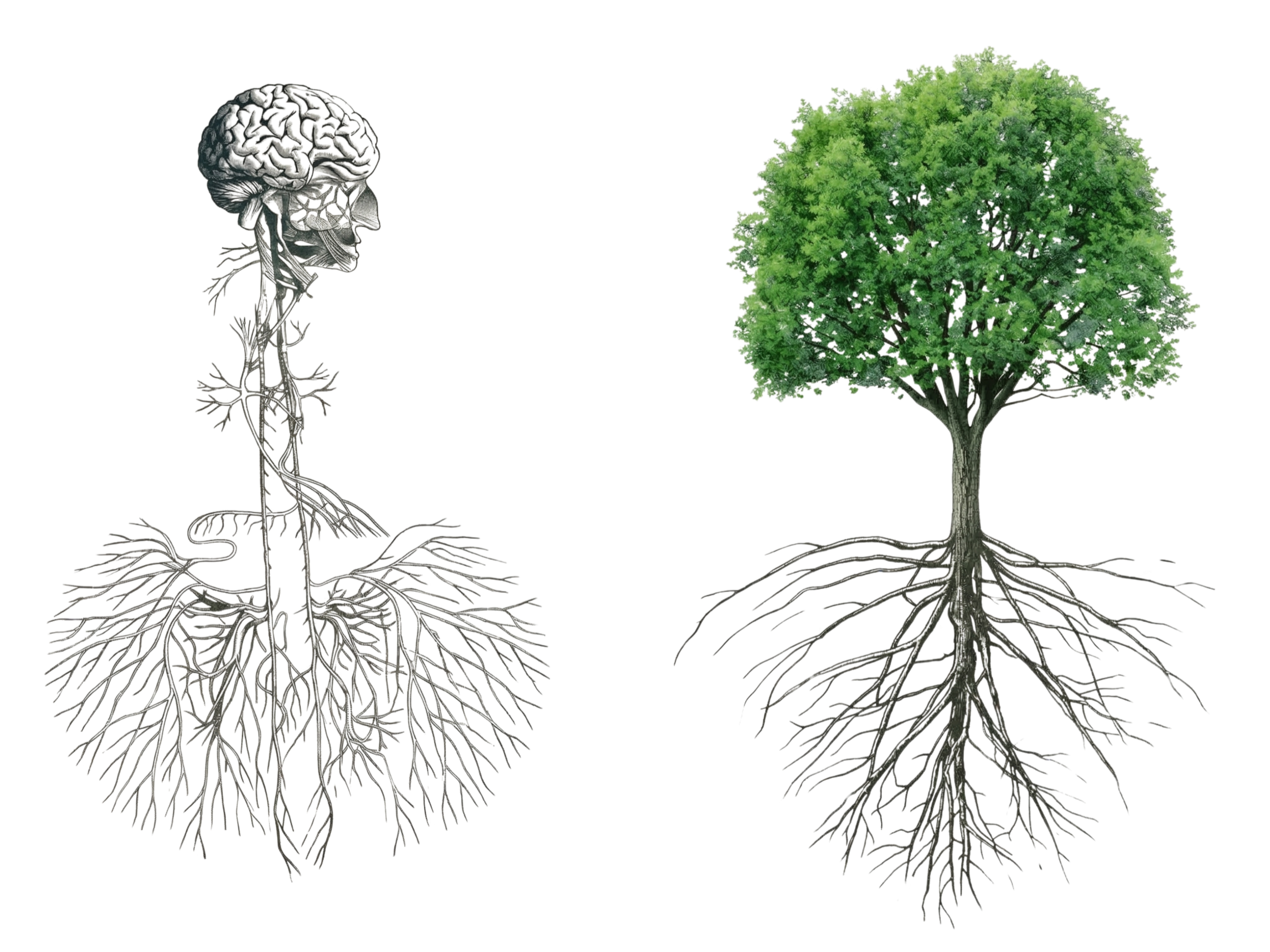
Our brains are complex and fascinating. When you bond deeply with someone, part of your brain actually creates a space that is an “us”.¹ And when that person dies, those “roots” remain. Meaning that there are actual spaces in your nervous system that exist where the attachment bond created between you & your loved one exists.
The conflict between this very real neurochemical signature (the us) that still exists, and the rational knowledge that they are gone is part of making sense of grief. In this way, grief can be seen best as learning. It is biologically appropriate to grieve. Grief is absolutely natural. And we are not meant to weather it alone.
¹ Research showing that deep bonds physically rewire the brain’s reward center to include a partner as a part of the self (Insel & Shapiro, 1992).
View Study
My approach to Grief Therapy
Our work is Person-Centred. This means that your culture, your relationships, beliefs, feelings, insights, and experiences are always the north star of our therapy. We are two moving as one. No one has had your life and your experiences. Be wary of any therapist that says “I know how you feel.” It takes great attention and care to truly understand and be understood.
I use the Dual Process Model (DPM) for grief, which is a lot about balance. There’s a misconception that “grief work” means leaning in to the heavier/internal work. This is just not true. Adaptive grief work means taking care to give your system a chance to breathe, sometimes using healthy distraction, and it is different for each person.
If you find yourself saying “life feels all too much”, then grief work means creating tools to bring in some light. If you find yourself scared to face feelings - and that when you do, the flood is too powerful - it can be helpful to learn ways to process/express whilst containing the impact of those feelings.
You cannot truly help someone unless you know about their own culture. Our work involves me understanding your internal point of view and your familial and social settings - learning to look at the world through your lens. This enables you to make discoveries that are guided by your own life and values.

Book a free 15 - 20 minute consultation. This can be done virtually or in person at the clinic